



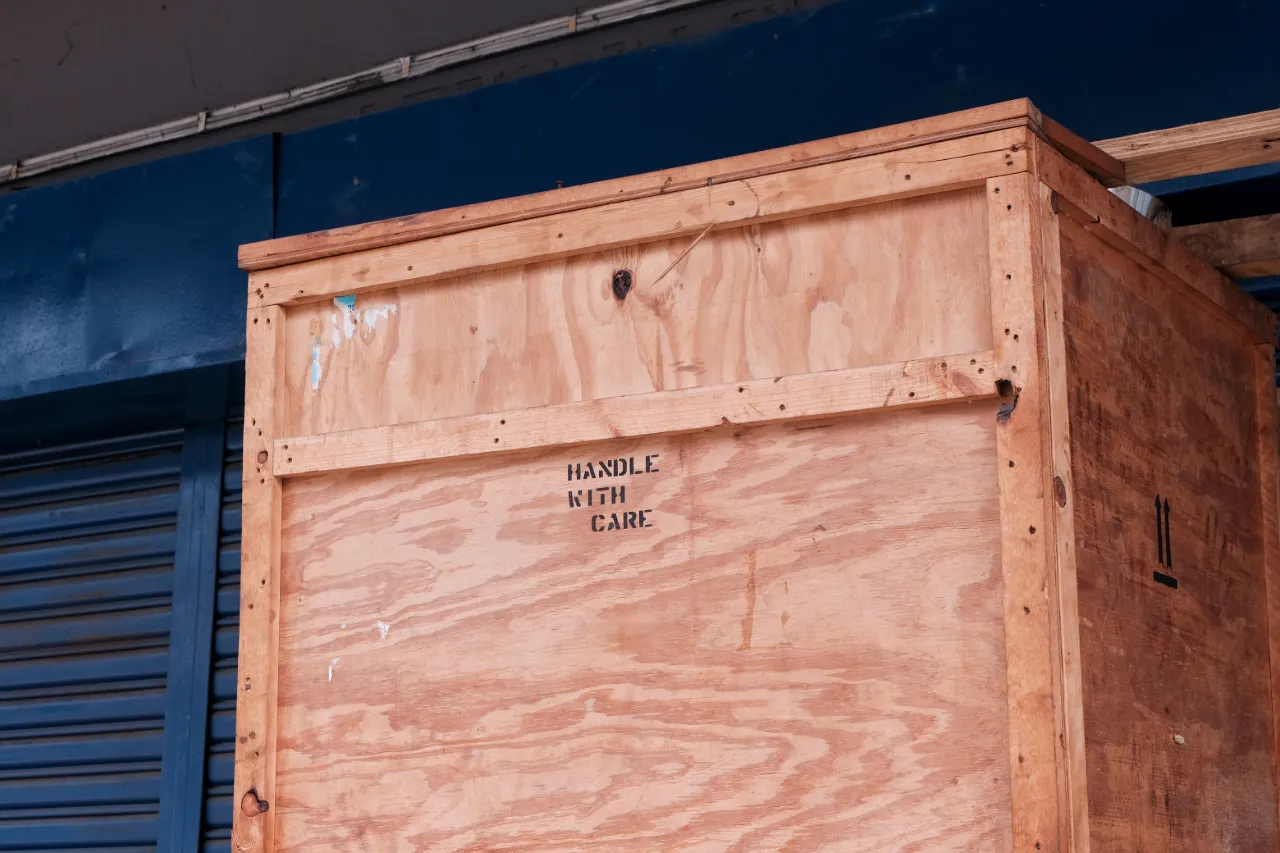
Whether you’re transporting industrial equipment, exporting machinery or storing heavy components, the right packaging plays an important role in protecting goods throughout the supply chain. Wooded boxes are widely used across industries because they provide strength, stability and durability needed to withstand demanding handling and transport conditions.
Available in a range of sizes and configurations, customised wooden boxes can be designed to suit different products, load capacities and operational requirements. From local storage to international shipping, they offer a practical packaging solution for businesses that need reliable protection for valuable goods.
How Wooden Boxes Support Different Industries
Different industries place different demands on packaging, depending on the products being handled and the conditions they encounter during storage and transport. Wooden boxes can be customised to meet these operational requirements, making them suitable for a wide range of commercial and industrial applications.
-
Logistics and Transportation
Wooden boxes are widely used in logistics and transportation to protect goods during local deliveries and international shipments. Their rigid construction helps minimise movement within the packaging while reducing the risk of damage caused by impact, stacking and routine handling throughout the journey.
-
Storage and Warehousing
In warehouses and distribution centres, wooden boxes provide a secure solution for storing raw materials, machinery parts and finished products. Their sturdy construction helps protect goods during storage while supporting organised inventory management and efficient movement between storage locations.
For businesses that regularly handle valuable or heavy items, reusable wooden boxes can also offer a practical solution for repeated storage and internal logistics.
-
Fragile and Heavy Items
Heavy machinery, precision equipment and fragile components often require packaging that provides both structural support and protection during handling and transport. The enclosed construction of wooden boxes helps protect these products from external impact while reducing unnecessary movement throughout the journey.
-
Manufacturing and Industrial Use
Manufacturers commonly use wooden boxes to transport machinery components, production equipment and finished products between facilities, warehouses and customer sites. Custom-built designs can be tailored to specific product dimensions and handling requirements, helping protect valuable assets throughout manufacturing and distribution processes.
-
Export Shipping
Wooden boxes are commonly used for export shipments where goods require additional protection during long-distance transportation. Depending on the destination country, export packaging may also require ISPM 15-compliant heat-treated timber to meet international quarantine regulations and facilitate customs clearance.
Benefits of Using Wooden Boxes
Wooden boxes are designed to withstand demanding handling, storage and transport conditions while offering flexibility across different applications. Their strength, durability and customisability make them a practical packaging solution for businesses that require reliable protection for valuable or heavy goods.
-
Strong Protection
Wooden boxes provide a rigid structure that helps protect goods from impact, compression and movement during handling or transport. This makes them suitable for packaging heavy machinery, industrial equipment, precision components and other products that require additional protection.
-
Reusable and Durable
Built to withstand repeated use, wooden boxes can often be reused for multiple shipments or internal logistic operations. Their durability makes them a practical option for businesses that regularly transport or store heavy goods.
-
Customisable Design
Wooden boxes can be manufactured in different sizes, load capacity and configurations to suit products and operational requirements. Additional features such as internal supports, dividers, cushioning or pallet bases can also be incorporated to improve stability and handling.
-
Supports Efficient Handling
Wooden boxes can be designed to integrate with common material handling equipment, making loading, unloading and transportation more efficient across different operational environments.
-
Cost-Effective for Repeated Use
Although wooden boxes may have a higher upfront cost than some alternative packaging materials, their durability and reusability can provide better long-term value for businesses that require repeated transport or storage.
-
A More Sustainable Packaging Option
As a natural material, timber can often be reused, repaired or recycled depending on its condition and intended application. Choosing durable wooden boxes that remain in service over multiple uses may also help reduce packing waste over time.
Choosing the Right Wooden Box
Selecting the right wooden box involves more than matching the dimensions of your product. Factors such as weight, handling methods, transport conditions and storage requirements all influence the design needed to provide reliable protection throughout the supply chain.
-
Item Size and Weight
The dimensions and weight of your product determines the size, timber thickness and structural support required for the wooden box. Packaging that is appropriately designed helps distribute weight more evenly and provides greater stability during lifting, stacking and transportation.
-
Handling and Transport Requirements
Consider how the wooden box will be handled throughout its journey. Factors such as forklift access, crane lifting, stacking requirements and transport methods can influence the design needed to support safe and efficient handling.
-
Material Selection
Different timber materials offer varying levels of strength, durability and weight. Selecting the appropriate material helps ensure the wooden box is suitable for its intended environment while balancing protection, handling efficiency and cost.
-
Structural Design
The structural design of a wooden box should be suited to the weight and distribution of the load it carries. Appropriate reinforcement and construction methods help maintain stability during lifting, stacking and transportation.
-
Customisation Requirements
Some products require additional design features to support handling, identification or transportation. Depending on the application, customised wooden boxes can incorporate pallet bases, lifting points, inspection openings or internal fittings to accommodate specific operational requirements.
-
Long-Term Value
While cost is an important consideration, it should be weighed against expected usage and operational requirements. For businesses that regularly transport or store goods, investing in a durable, reusable wooden box may provide better long-term value than replacing lower-cost packaging more frequently.
Find the Right Customised Wooden Box for Your Needs With Yat Guan
Every business has different packaging requirements, whether it's transporting heavy machinery, exporting sensitive equipment or storing valuable industrial components. A wooden box designed for your products, handling methods and transport conditions helps improve protection while supporting safer and more efficient operations.
With over 90 years of experience in pallet, crate and industrial packaging manufacturing, Yat Guan supplies customised wooden boxes tailored to a wide range of industries and operational requirements. From design through production, our team works closely with businesses to deliver durable packaging solutions built for reliable storage, handling and transport. Contact us to discuss your packaging requirements and find the right customised wooden box solution for your business.
FAQs about Customised Wooden Boxes
Depending on the extent of the damage, some wooden boxes can be repaired and returned to service rather than replaced entirely. Repairability depends on factors such as the condition of the timber, the type of damage and the box's intended application.
Wooden boxes are commonly used to transport equipment that requires greater protection during handling and transit. Depending on the product and industry requirements, the packaging may also incorporate additional protective features or specialised materials to provide an appropriate level of protection.
To maximise their lifespan, wooden boxes should be stored in a clean, dry environment away from prolonged exposure to moisture. Regular inspections can also help identify signs of wear or damage before the boxes are reused.
Yes. Wooden boxes can be designed and manufactured to accommodate equipment with unique dimensions, weight distributions or handling requirements. This allows businesses to package products that may not be suitable for standard-sized packaging solutions.
About Yat Guan
Yat Guan is a Singapore-based manufacturer specialising in pallets, wooden crates, customised wooden boxes and industrial packaging solutions. With over 90 years of experience serving industries such as logistics, manufacturing, marine, construction and semiconductors, the company provides packaging designed to support the safe storage, handling and transportation of goods. From standard products to customised solutions, Yat Guan works closely with businesses to meet a wide range of operational and shipping requirements.
← Back to Blog
Comments are closed