



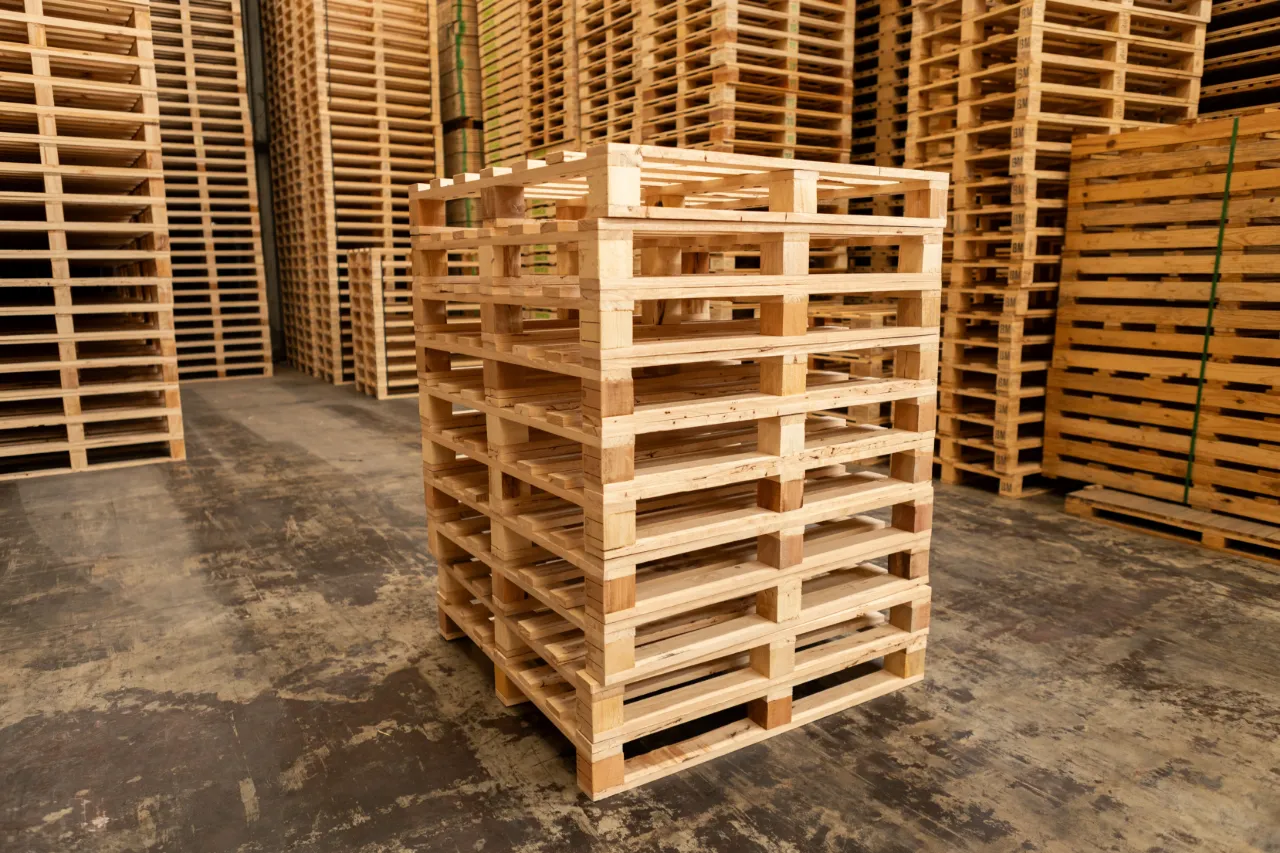
Businesses rely on wooden crates to protect goods during storage, handling and transport, particularly when shipping heavy machinery, industrial equipment or high-value products. Choosing the right crate material helps ensure goods remain protected while supporting efficient handling and cost-effective operations.
Plywood and solid wood crates each offer distinct advantages depending on factors such as load requirements, transport conditions and intended use. Understanding how they differ can help businesses select a packaging solution that balances protection, durability and operational efficiency.
Understanding Plywood and Solid Wood Crates
The primary difference between wooden crates lies in the material used to construct them. Plywood and solid wood each have different structural characteristics, influencing factors such as weight, load-bearing capacity and durability.
-
Plywood Crates
Plywood crates are manufactured using multiple layers of wood veneer bonded together to create lightweight yet durable panels. Their layered construction provides a good balance of strength and weight, making them well suited for general shipping, export packaging and applications where reducing overall shipment weight is an important consideration.
-
Solid Wood Crates
Solid wood crates are constructed from timber planks, providing greater structural rigidity and load-bearing capacity. Their robust construction makes them suitable for applications where greater structural strength is required to support heavier loads or withstand more demanding transport conditions.
Comparing Plywood and Solid Wood Crates
Both plywood and solid wood crates provide reliable protection for storage and transport, but each offers different advantages depending on the application. Comparing their key characteristics can help businesses determine which option best suits their products, operational requirements and budget.
| Feature | Plywood Crates | Solid Wood Crates |
| Strength & Load Capacity | Suitable for light- to medium-weight goods and general packaging applications. | Better suited for heavy machinery, industrial equipment and high-load applications requiring greater structural support. |
| Weight | Lightweight construction makes crates easier to handle and may help reduce shipping weight. | Heavier construction provides greater rigidity and stability during transport. |
| Durability | Offers good durability for standard storage and transport under normal operating conditions. | Designed to withstand repeated handling, demanding environments and long-term use. |
| Cost | Generally a more cost-effective option for everyday packaging requirements. | Higher upfront investment but may provide better long-term value for heavy-duty applications or repeated use. |
| Typical Applications | Export packaging, general freight, manufactured goods and products where lower weight is preferred. | Heavy equipment, machinery, industrial components and high-value cargo requiring maximum protection. |
Rather than asking which material is “better”, businesses should consider which option best matches the weight, handling requirements and intended use of their products. The right choice depends on how the crate will be used throughout storage, transport and delivery.
How to Choose the Right Wooden Crate
The most suitable wooden crate depends on more than the material alone. Considering how your products will be handled, transported and stored can help ensure the crate provides the right balance of protection, practicality and long-term value.
-
Product Characteristics
Consider the size, weight and fragility of the goods being packaged. Products with unusual dimensions, delicate components or uneven weight distribution may require a crate designed to provide additional stability and support throughout handling and transport.
-
Transport and Handling Conditions
Think about how the crate will move through the supply chain. Factors such as forklift handling, stacking, long-distance transport or multiple loading and unloading points may influence the type of crate and level of reinforcement required.
-
Storage Environment
Consider where the crate will be stored before it reaches its destination. Indoor warehouses, outdoor storage areas and long-term storage environments may place different demands on the packaging, particularly if the goods need to remain protected for an extended period.
-
Packaging Requirements
Some products require more than external protection. Depending on the application, additional packaging features such as internal bracing, foam inserts or custom fittings may be required to help secure goods and minimise movement during transport.
-
Operational Priorities
Cost is one consideration, but it should be balanced against factors such as expected usage, transport requirements and the value of the goods being shipped. Choosing the most appropriate crate for your operational needs can provide better long-term value than selecting a solution based on price alone.
Find the Right Wooden Crate with Yat Guan
The right wooden crate should reflect how your products will be handled, transported and stored throughout the supply chain. Matching the crate to your operational requirements helps improve packaging performance while supporting safer and more efficient handling.
With over 90 years of experience in pallet, crate and industrial packaging manufacturing, Yat Guan supplies customised plywood and solid wood crates tailored to a wide range of industries and operational requirements. From design through production, our team works closely with businesses to deliver durable packaging solutions built for reliable storage, handling and transport. Contact us to discuss your packaging requirements and find the right wooden crate solution for your business.
FAQs About Customisable Wooden Crates
Yes. Wooden crates can be manufactured to suit products with unique dimensions, shapes or weight distributions. Customised designs help ensure goods remain stable during handling and transport while making more efficient use of packaging space.
Depending on their condition and intended application, wooden crates can often be repaired and reused rather than replaced. Regular inspection after handling or transport helps determine whether a crate remains suitable for future use.
Providing details such as the product dimensions, weight, transport method and intended application helps ensure the crate is designed to meet your operational requirements. If lifting equipment, export shipping or long-term storage is involved, sharing these requirements early can also help streamline the design process.
Wooden crates should be stored in a clean, dry environment to help maintain their condition between uses. Avoiding prolonged exposure to moisture and regularly checking for signs of damage can also help extend their service life.
About Yat Guan
Yat Guan is a Singapore-based manufacturer specialising in pallets, wooden crates, customised wooden boxes and industrial packaging solutions. For more than 90 years, Yat Guan has supported industries such as logistics, manufacturing, marine, construction and semiconductors, the company provides packaging designed to support the safe industrial storage, logistics and export operations of goods. From standard products to customised solutions, Yat Guan works closely with businesses to meet a wide range of operational and shipping requirements.
← Back to Blog
Comments are closed